Common Cultural Mistakes Tourists Make in Sri Lanka: A Guide to Respectful Travel
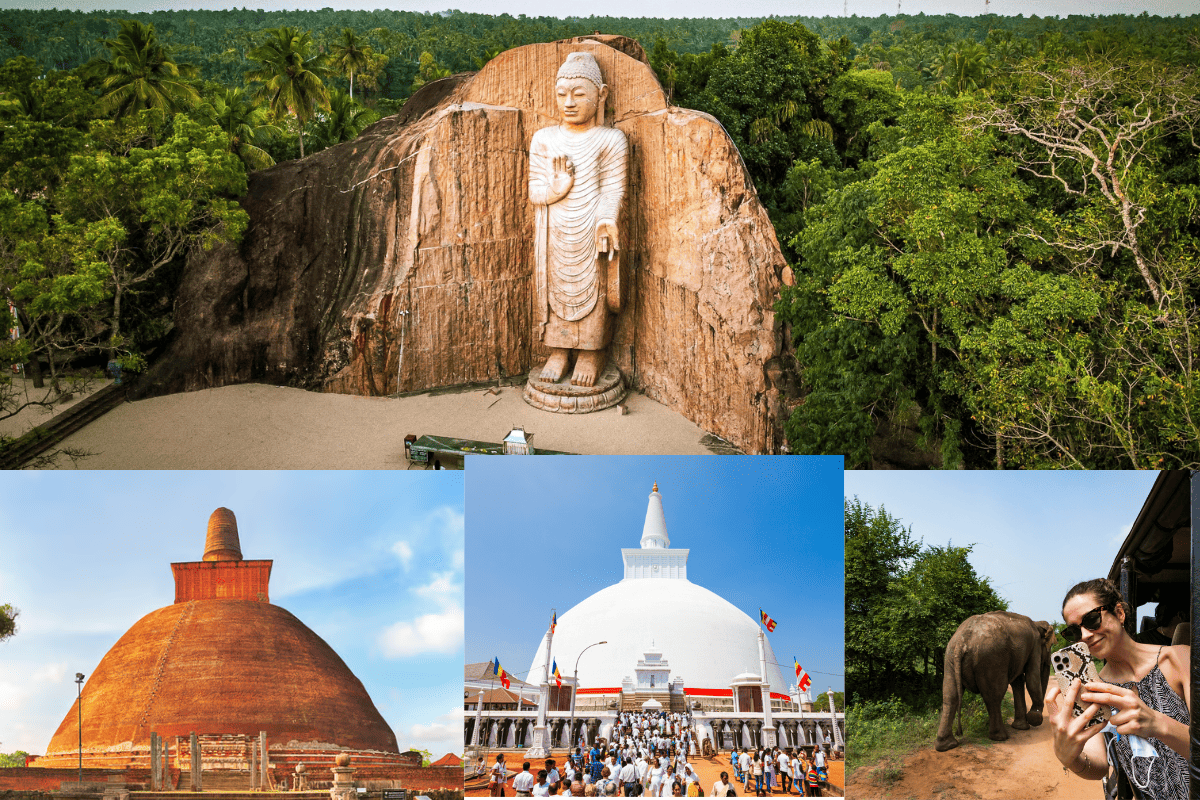
Traveling to Sri Lanka is an enchanting experience, filled with pristine beaches, ancient ruins, lush tea plantations, and vibrant festivals. However, many visitors unintentionally commit cultural mistakes that can offend locals or lead to awkward situations. As a tropical island nation in South Asia, Sri Lanka boasts a rich tapestry of Sinhalese, Tamil, and Muslim influences, shaped by Buddhism, Hinduism, and colonial history. Understanding these nuances is key to enjoying your trip while showing respect.
In this article, we'll explore the most common cultural mistakes tourists make in Sri Lanka, provide tips on how to avoid them, and share insights for a smoother journey. Whether you're planning a backpacking adventure or a luxury safari, avoiding these pitfalls will help you connect better with the warm-hearted Sri Lankans.
Sri Lanka, often called the "Pearl of the Indian Ocean," attracts over 2 million tourists annually (pre-pandemic figures). Yet, with its deep-rooted traditions, even well-intentioned travelers can stumble. From improper temple etiquette to mishandling food customs, these errors stem from unfamiliarity rather than malice. By learning about them, you'll not only avoid faux pas but also enhance your cultural immersion. Let's dive into the top cultural mistakes tourists make in Sri Lanka. and how to navigate them gracefully.
1. Ignoring Dress Codes at Religious Sites
One of the most frequent cultural mistakes tourists make in Sri Lanka involves inappropriate attire at temples and sacred places. Sri Lanka is predominantly Buddhist, with iconic sites like the Temple of the Tooth in Kandy or the ancient city of Anuradhapura drawing crowds. Tourists often show up in shorts, tank tops, or revealing clothing, unaware that shoulders and knees must be covered for both men and women.
Why is this a big deal? In Buddhist culture, modesty signifies respect for the divine. Wearing skimpy outfits can lead to denial of entry or disapproving stares from locals. To avoid this, pack lightweight scarves or sarongs. Many temples provide coverings, but it's better to come prepared. Remember, removing hats and sunglasses indoors is also essential. By dressing appropriately, you'll blend in and show that you value Sri Lankan traditions.
2. Forgetting to Remove Shoes and Socks
Stepping into a temple or someone's home with shoes on is another classic blunder. In Sri Lanka, shoes are considered dirty from outdoor use, and going barefoot symbolizes humility and cleanliness. Tourists, especially from Western countries, might overlook this, leading to embarrassed corrections from guides or monks.
This custom extends beyond temples to some restaurants and guesthouses. Always look for shoe racks at entrances as a cue. If you're wearing socks, remove them too. Bare feet are preferred. Pro tip: Carry wet wipes for quick foot cleaning after sandy beach walks. Avoiding this mistake not only prevents offence but also lets you feel the cool stone floors of ancient stupas, adding to the sensory experience.
3. Touching or Posing Inappropriately with Buddha Statues
Buddhism is central to Sri Lankan identity, and disrespecting Buddha images is a serious offense. A common cultural mistake tourists make in Sri Lanka is turning their back to a statue for selfies or mimicking poses. In 2014, a British tourist was arrested for a Buddha tattoo, highlighting the sensitivity.
Locals view Buddha as a revered teacher, not a prop. Pointing feet toward statues or monks is also taboo, as feet are seen as the lowest body part. Instead, sit with feet tucked away when meditating or resting near shrines. Photography is often allowed, but ask permission first. Respecting these rules ensures harmonious visits and might even earn you smiles from appreciative monks.
4. Public Displays of Affection (PDA)
Sri Lanka's conservative society frowns upon overt PDA, yet couples from more liberal cultures often hold hands or kiss in public, drawing unwanted attention. This cultural mistake can make locals uncomfortable, especially in rural areas or near religious sites.
While urban spots like Colombo are more relaxed, moderation is key everywhere. Save intimate gestures for private settings. This respect for social norms reflects Sri Lanka's emphasis on family values and decorum, helping you avoid judgmental glances and fostering positive interactions.
5. Using the Left Hand for Eating or Greeting
In Sri Lankan culture, the left hand is reserved for hygiene tasks, making it impolite for eating, passing items, or shaking hands. Tourists accustomed to using both hands might inadvertently offend during meals or transactions.
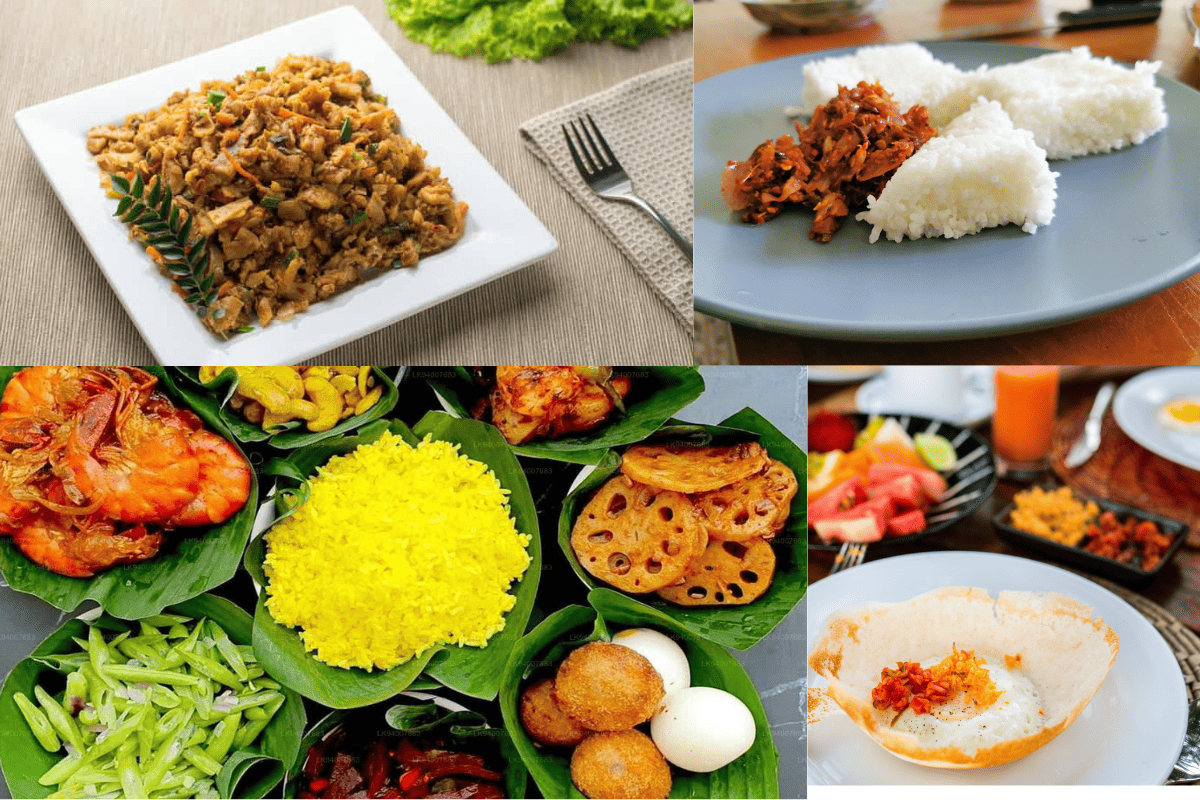
Traditional Sri Lankan cuisine, like rice and curry, is eaten with the right hand—fingers only, no utensils. If you're not comfortable, opt for a spoon. When greeting, a slight bow with palms pressed together (the "Ayubowan" gesture) is ideal. Mastering this avoids awkward moments and shows cultural sensitivity, enhancing your dining experiences at local eateries.
6. Bargaining Too Aggressively in Markets
Haggling is common in Sri Lanka's bustling markets like Pettah in Colombo, but pushing too hard is a cultural mistake tourists make in Sri Lanka. Locals value politeness, and aggressive bargaining can be seen as disrespectful.
Start with a smile and a friendly chat and build rapport. Aim for 20-30% off the initial price, but know when to accept. Tipping modestly for good service is appreciated, unlike in some Asian countries. This approach not only secures better deals but also creates memorable connections with vendors.
7. Photographing People Without Permission
Sri Lanka's photogenic landscapes and people tempt shutterbugs, but snapping photos of locals—especially women, children, or monks—without asking is intrusive. This stems from privacy respect and superstition in some communities.
Always seek consent with a smile or gesture. In touristy areas, some might expect a small tip. Ethical photography preserves dignity and avoids confrontations, allowing genuine captures of smiling tea pluckers or saffron-robed monks.
8. Overlooking Environmental and Wildlife Etiquette
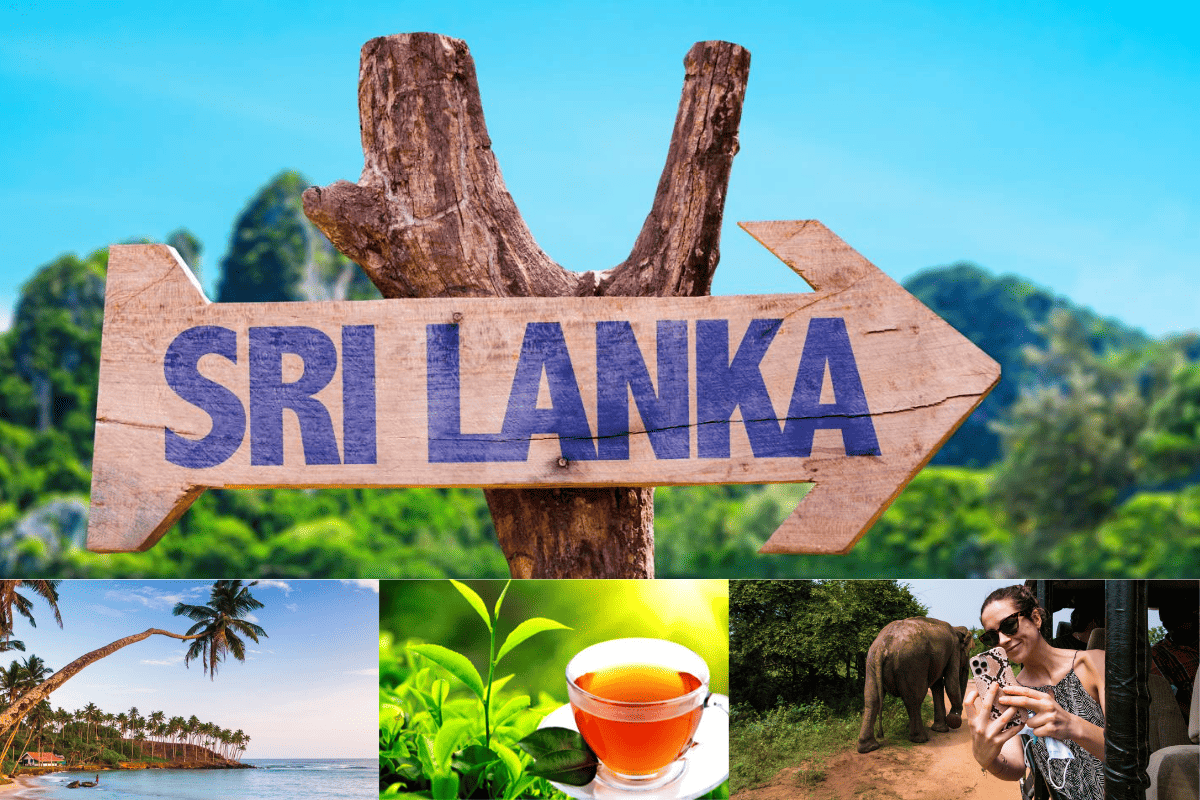
With national parks like Yala teeming with elephants and leopards, tourists sometimes get too close for photos, disturbing animals. This cultural mistake disregards Sri Lanka's reverence for nature, influenced by Buddhist principles of non-harm.
Follow safari guides' instructions: Stay in vehicles, avoid loud noises, and don't feed wildlife. Littering is another no-no. Sri Lanka's "plastic-free" initiatives are serious. Responsible tourism protects ecosystems and supports local economies.
9. Misunderstanding Punctuality
Sri Lankans operate on a relaxed timeline, but tourists expecting Swiss precision can get frustrated. Buses or trains running late is normal, yet demanding haste is rude.
10. Ignoring Local Festivals and Customs
Missing out on festivals like Vesak (Buddha's birthday) or not participating respectfully is a lost chance. Tourists might disrupt processions or ignore dietary customs during religious periods.
Research dates and join in light lanterns during Vesak or enjoy Hindu Thaipongal feasts. Vegetarian options abound during full moon poyas. Engaging thoughtfully enriches your visit.
Tips to Avoid Cultural Mistakes in Sri Lanka
To steer clear of these cultural mistakes tourists make in Sri Lanka, research beforehand via guidebooks or apps. Hire local guides for insights. Learn basic Sinhala or Tamil phrases like "thank you" (sthuthi or nandri). Observe and mimic locals. If you err, apologise sincerely because Sri Lankans are forgiving.
Sustainable travel matters: Support eco-friendly hotels and avoid elephant rides linked to abuse. With these strategies, your trip will be respectful and rewarding.
Conclusion
Sri Lanka’s rich Buddhist heritage and warm hospitality reward respectful visitors. Common mistakes like improper temple attire, photographing without permission, using the left hand, showing public affection, or pointing feet at Buddha images often arise from ignorance, not disrespect. By learning simple customs (modest dress, “Ayubowan” greetings, shoe removal, patience), travelers avoid offense and build genuine connections. Learn the do's and don'ts in Sri Lanka for a safe travel Mindful respect transforms potential missteps into meaningful exchanges, deepening appreciation for Sri Lanka’s spiritual serenity and communal kindness for a truly enriching journey.
Nothing to worry about how safe in Sri Lanka. We are here to make your trip an enjoyable and safe one. Just click the button
FAQs About Cultural Mistakes in Sri Lanka
The most common cultural mistake tourists make in Sri Lanka is improper dress at temples, such as not covering their shoulders and knees. Always opt for modest clothing (covering shoulders and knees) to show respect when visiting religious sites—many temples provide sarongs or scarves if needed, but it's best to come prepared.
Yes, but ask permission first and avoid posing with your back to Buddha statues—this is seen as deeply disrespectful. Respect signs prohibiting photography in sacred areas, and be discreet (no flash) to prevent offending locals or monks.
Use the traditional "Ayubowan" greeting (meaning "may you live long") with palms pressed together at chest level and a slight bow. Avoid handshakes unless the other person initiates, and always use your right hand for any interactions like giving or receiving items.
Yes, eating with your left hand is considered impolite (the left hand is traditionally reserved for hygiene). Stick to your right hand or utensils when eating, especially for traditional rice and curry meals—many locals eat with their (right) hands for an authentic experience, but cutlery is fine in most places.