Is Sri Lanka Safe for Visitors in 2026? Safety Precautions and Travel Tips for Tourists
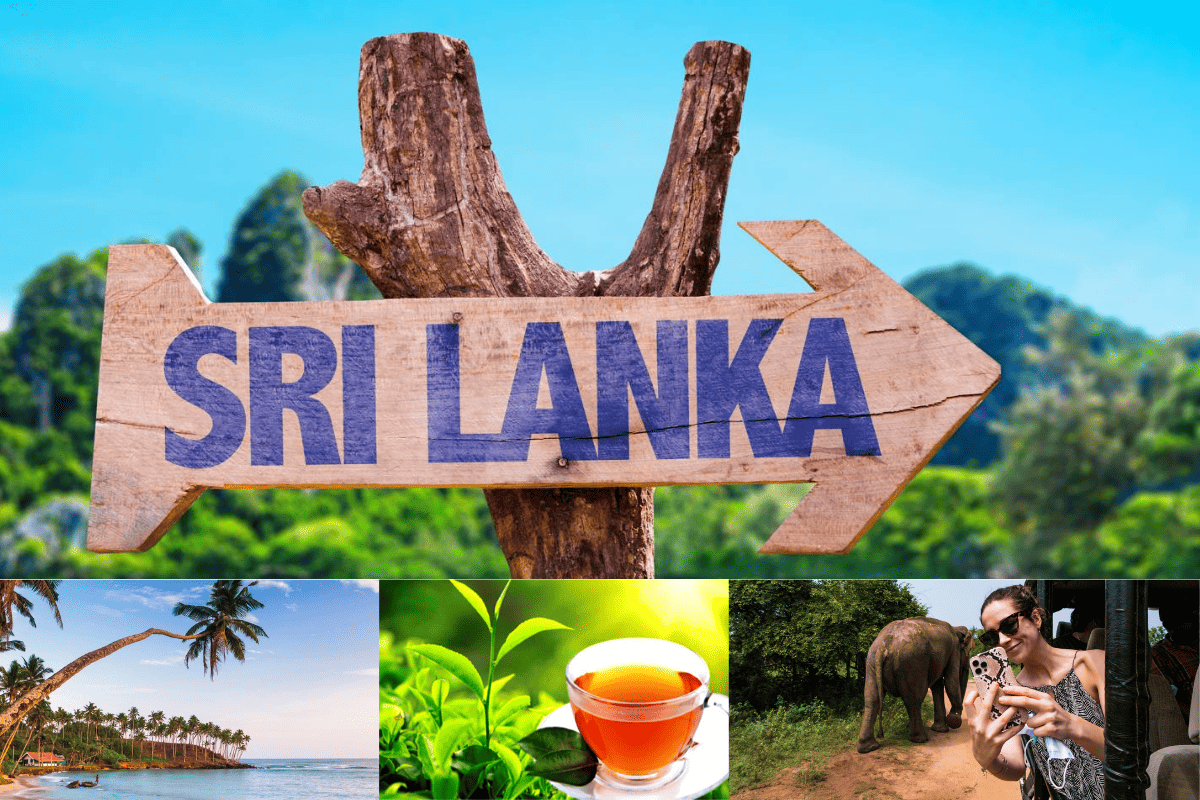
Sri Lanka is one of the safest destinations in South Asia for tourists, consistently ranking high on global safety indices and welcoming millions of visitors every year without major incidents. The most popular problem for travelers these days is "Is Sri Lanka safe for visitors? "Yes, Sri Lanka is safe for visitors in 2026, and with smart precautions, most tourists enjoy rewarding, trouble-free trips.
Tourism is rebounding strongly after Cyclone Ditwah (late 2025), with record arrivals continuing into 2026. Major sites, including Colombo, Galle, Kandy, Ella, Sigiriya, Anuradhapura, and southern beaches, are fully operational. Infrastructure is recovering quickly, and tourist areas feel welcoming and stable.
Current Safety Situation in Sri Lanka 2026
Sri Lanka recovered swiftly from Cyclone Ditwah, which caused flooding, landslides, and disruptions mainly in the hill country (Kandy, Nuwara Eliya, Ella) and some eastern/coastal zones in late 2025. By January 2026, airports and major roads have reopened, with minor ongoing repairs in affected areas. Still, some railways are under construction. And it will take a few months for full repair. The southern coast and Colombo remain largely unaffected and bustling with visitors.
Tourism is booming, with over 223,645 arrivals in the first 25 days of January 2026 alone (up significantly from previous periods), according to the Sri Lanka Tourism Development Authority (SLTDA). Targets for 3 million arrivals in 2026 signal strong confidence in recovery. Tourist police are active, and the 1912 tourism hotline offers 24/7 support. Popular spots have strong security, low serious crime rates, and a positive vibe for first-timers, solo travelers, and families. Risks like petty theft or scams exist (as in any destination), but they're easily avoidable with basic vigilance.
Main Risks and Realistic Concerns for Tourists
Road safety is the top concern an driving is chaotic, with tuk-tuks, buses, and scooters often aggressive. The recent 2026 enforcement in Colombo, Galle, and Kandy aims to reduce accidents. Avoid night buses/trains in remote areas; use apps like PickMe for safer rides.
Petty crime includes pickpocketing in crowds and tuk-tuk "special tour" scams, as well as pushing overpriced gems or shops. Serious crime against tourists is uncommon.
Natural hazards: Monsoon flooding/landslides (monitor Department of Meteorology forecasts), strong rip currents on beaches (swim only in flagged areas - drownings occur), and wildlife (maintain distance from elephants on rural roads).
Other concerns include a Rare terrorism risk (avoid large crowds if alerts are issued), occasional demonstrations that can disrupt transportation, and health issues such as dengue/chikungunya (use DEET repellent). Landmines are limited to remote north/east - stay on tourist paths.
If you are willing to visit Sri Lanka, you can click the button below to plan your tour safely. Our experienced tour guides will help you visit each part of Sri Lanka without stressing your mind. Just click and plan a Sri Lanka tour in 2026.
1. Pre-Travel Health & Vaccination Preparations
Sri Lanka is a tropical country, so health precautions are the priority.
- Routine vaccinations: Ensure MMR, diphtheria-tetanus-pertussis, varicella, polio, and yearly flu shots are up to date.
- Recommended vaccines: Hepatitis A (food/water-borne), Typhoid (especially if eating street food), and Hepatitis B.
- Japanese Encephalitis: Recommended for long stays (>1 month) or repeated visits during monsoon periods in rural areas.
- Rabies: Pre-exposure vaccination is wise if you plan jungle trekking or close wildlife contact (monkeys, dogs).
- Mosquito protection: Dengue is present year-round. Use DEET 30–50% or Picaridin repellents, sleep under treated nets in budget accommodation, and wear long sleeves at dawn/dusk.
- Travel insurance: Mandatory for most visitors now. Choose a policy that covers medical evacuation, adventure activities (safaris, hiking Adam’s Peak, surfing), and trip cancellation.
- Medications: Bring enough prescription medicines (with copies of prescriptions), plus oral rehydration salts, broad-spectrum antibiotics (consult your doctor), and anti-diarrheal tablets.
- Tap water is not potable. Stick to sealed bottled water or use purification tablets/UV pens.
2. Visa, Entry Requirements & Documentation (2026)
- Electronic Travel Authorization (ETA) or Visa on Arrival is available for most nationalities. Apply online at www.eta.gov.lk at least 72 hours before departure to avoid queues.
- Passport must be valid for 6 months beyond your departure date from Sri Lanka.
- Return or onward ticket and proof of sufficient funds may be checked.
- Yellow fever certificate required if arriving from an endemic country in Africa or South America.
3. Political & Civil Stability
As of November 2025, Sri Lanka is politically stable after the economic crisis of 2022–2023. Elections in late 2024 produced a new government that has restored fuel, electricity, and medicine supplies. Tourist areas remain calm and heavily policed. Avoid political rallies in Colombo or Kandy; they are usually peaceful but can cause traffic chaos.
4. Personal Safety & Crime Precautions
Sri Lanka has a very low violent crime rate against tourists. Petty theft and scams are the main concerns.
- Use only licensed taxis or apps (PickMe, Uber) at the airport and in cities. Negotiate tuk-tuk fares in advance or use the meter.
- Keep valuables in hotel safes. Use anti-theft bags in crowded places like Pettah Market or train stations.
- Night walks in Colombo (except Galle Face Green and well-lit areas of Colombo 3, 7) should be avoided alone.
- Drug offences carry extremely harsh penalties (including life imprisonment). Do not accept packages from strangers.
You might be confused about how to plan a proper Sri Lankan tour, and the Travel Planner team is there for you.
5. Road & Transport Safety
Road accidents are the biggest real risk in Sri Lanka.
- Never rent a scooter/motorcycle unless you have extensive experience in chaotic Asian traffic and a valid international license.
- Use trains and private drivers for inter-city travel. Overnight trains (especially Colombo–Jaffna or Ella) are safe and scenic.
- Seatbelts are compulsory in cars and taxis (insist the driver wears one too).
- Avoid night buses on the southern expressway; they have a higher accident rate.
We are always here for everyone to plan their trip who likes a safe tour with our expert guides. Click the button to get travel advice and plan your trip.
6. Wildlife & Safari Safety
- Maintain minimum distances (25 m for elephants, 10 m for leopards) in national parks. Never exit the vehicle unless your guide explicitly says it’s safe.
- Do not feed or touch monkeys at temples (Dambulla, Polonnaruwa). They bite and can transmit rabies or herpes B.
- Wear leech socks and apply salt/tobacco in rainforest parks (Sinharaja, Knuckles) during rainy seasons.
We offer amazing Safari tours. Click the button to find more details
7. Beach & Ocean Safety
- Many southern and eastern beaches have strong currents and rip tides. Swim only where red/yellow flags are posted and lifeguards are present (Unawatuna, Mirissa, Nilaveli).
- Avoid swimming after dark and during monsoon swells (May–October on southwest coast, November–April on northeast coast).
- Jellyfish stings are common; vinegar stations are available at most resorts.
8. Food & Drink Hygiene
- Eat freshly cooked food at busy restaurants. Avoid salads and cut fruit from street vendors unless you have peeled it yourself.
- Vegetarian and rice-and-curry “feeds” at local eateries are usually safe and delicious.
- King coconut (thambili) from roadside vendors is perfectly safe and hydrating.
Find the best Sri Lankan food and what to eat in Sri Lanka, and experience the most delicious food in the world.
9. Natural Disaster Awareness
- Monsoon rains (May–Sep southwest, Oct–Jan northeast) can cause flash floods and landslides, especially in hill country (Ella, Nuwara Eliya). Check weather alerts.
- Tsunami early-warning sirens exist along the coast. If you feel a strong earthquake, move immediately to an inland location or to an upper floor.
Conclusion
Sri Lanka has been named as one of the best countries in the world to visit in 2026, and it is safe to visit in 2026. Resilient, affordable, and full of beaches, temples, wildlife, and warm hospitality. If you are willing to plan a group tour or a family tour, you can select one of the best tours to make your holiday a wonderful one in Sri Lanka. Be aware of dos and don’ts in Sri Lanka and follow these Safety tips while visiting Sri Lanka. You can experience varieties of Sri Lankan food and visit the most beautiful places in Sri Lanka in your next trip, So don't be late to plan it. Enjoy the beauty of Sri Lanka with your loved ones.
FAQs about Safety Travel Tips to Visit Sri Lanka
Yes, Sri Lanka is generally safe for tourists in 2026, with booming tourism and full recovery in major areas like Colombo, Galle, Kandy, Ella, and southern beaches after Cyclone Ditwah. Violent crime is rare, but exercise caution due to occasional demonstrations and petty theft. Official advisories (US Level 2, Australia/UK high degree of caution) recommend awareness.No bans exist.
The main risks are everyday ones: chaotic road traffic (use PickMe apps or trusted drivers), petty theft/scams in crowds (secure valuables, avoid "special tour" offers), strong beach rip currents (swim only in flagged areas), and mosquito-borne illnesses like dengue (use DEET repellent). Violent crime and terrorism are rare/no recent incidents, but follow basic caution as in any destination.
Major governments (US: Level 2 "increased caution"; Australia/UK/Canada: "high degree of caution") advise awareness due to possible demonstrations, general security, and remote landmines (north/east only—avoid those areas). No travel bans exist, and tourist zones are unaffected. Check official sites like travel.state.gov or smartraveller.gov.au before your trip, and register with your embassy for updates.
Use rideshare apps for transport, secure valuables in hotel safes, avoid night walks alone in quiet areas, apply DEET repellent for dengue, and monitor official advisories. Register with your embassy, get travel insurance, and use the 1912 tourism hotline for help. Most visitors enjoy trouble-free trips with basic common sense.