When to Visit Sri Lanka: Tourist Seasons in 2026 – A Complete Guide
Sri Lanka's tourist season is uniquely shaped by its tropical location and dual monsoon system, allowing year-round travel unlike many single-monsoon destinations. The island experiences the southwest monsoon (Yala) from May to September, bringing heavy rain to the south, west coasts, and hill country, while the northeast monsoon (Maha) from October to February affects the north and east. This regional variation means one side is often dry when the other is wet, creating flexible opportunities for visitors.
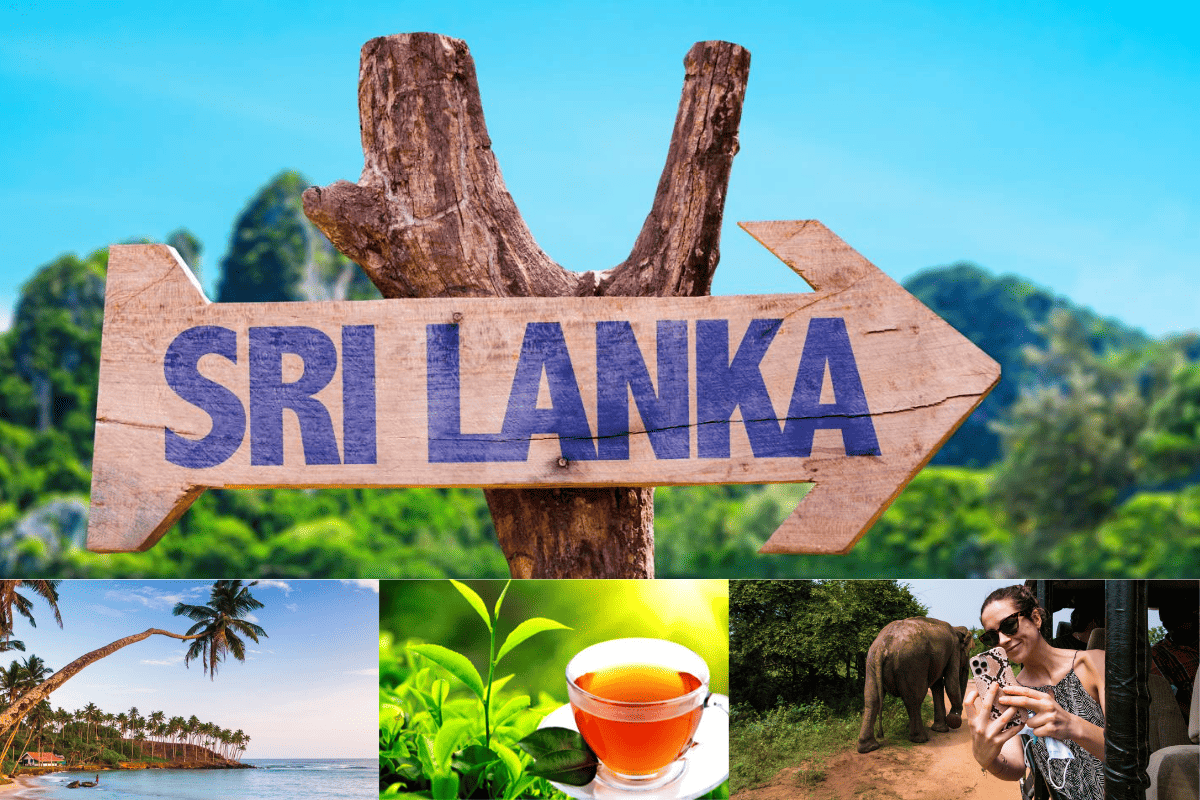
In 2026, tourism continues its strong post-recovery momentum. After record arrivals of over 2.36 million in 2025 (generating $3.2 billion in revenue despite Cyclone Ditwah's late-2025 impact), the government targets an ambitious 3 million visitors to aid economic rebuilding and infrastructure repair. Beaches, cultural sites, wildlife safaris, and tea plantations remain top draws, with whale watching, surfing, and train rides through misty hills adding appeal.
Peak Tourist Season: December to March/April
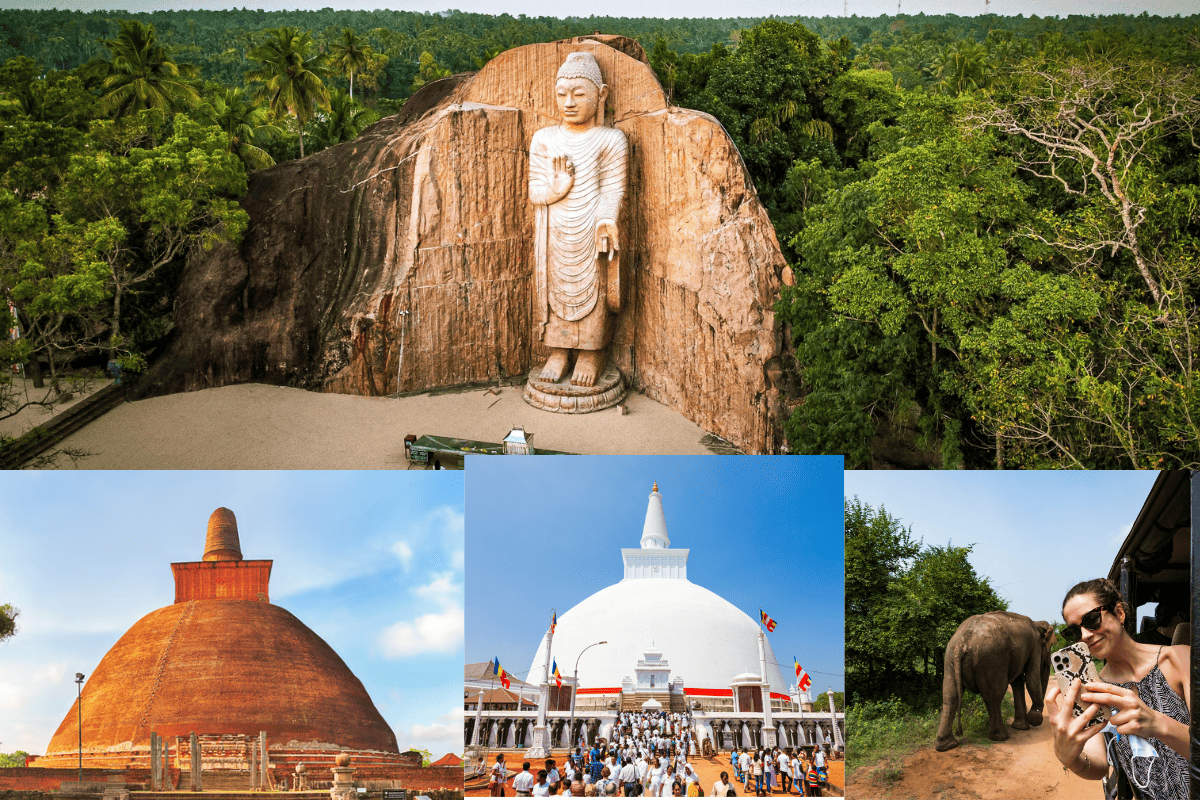
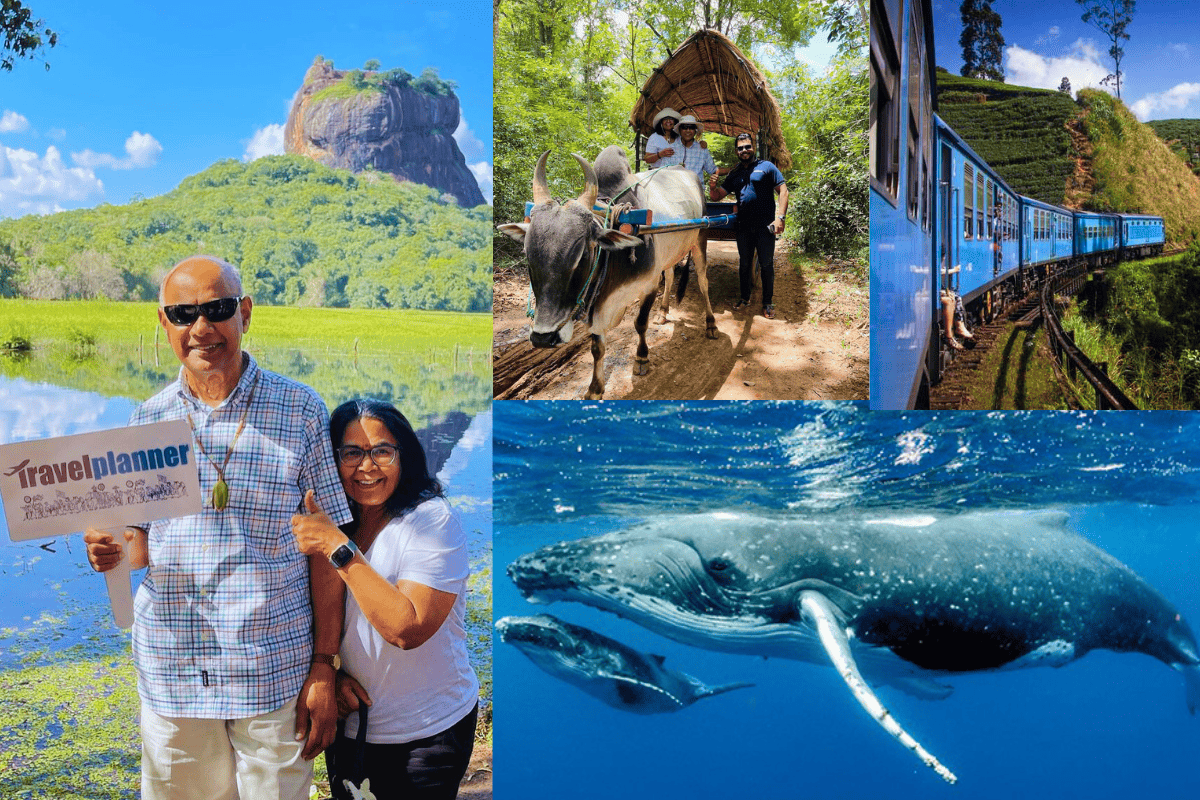
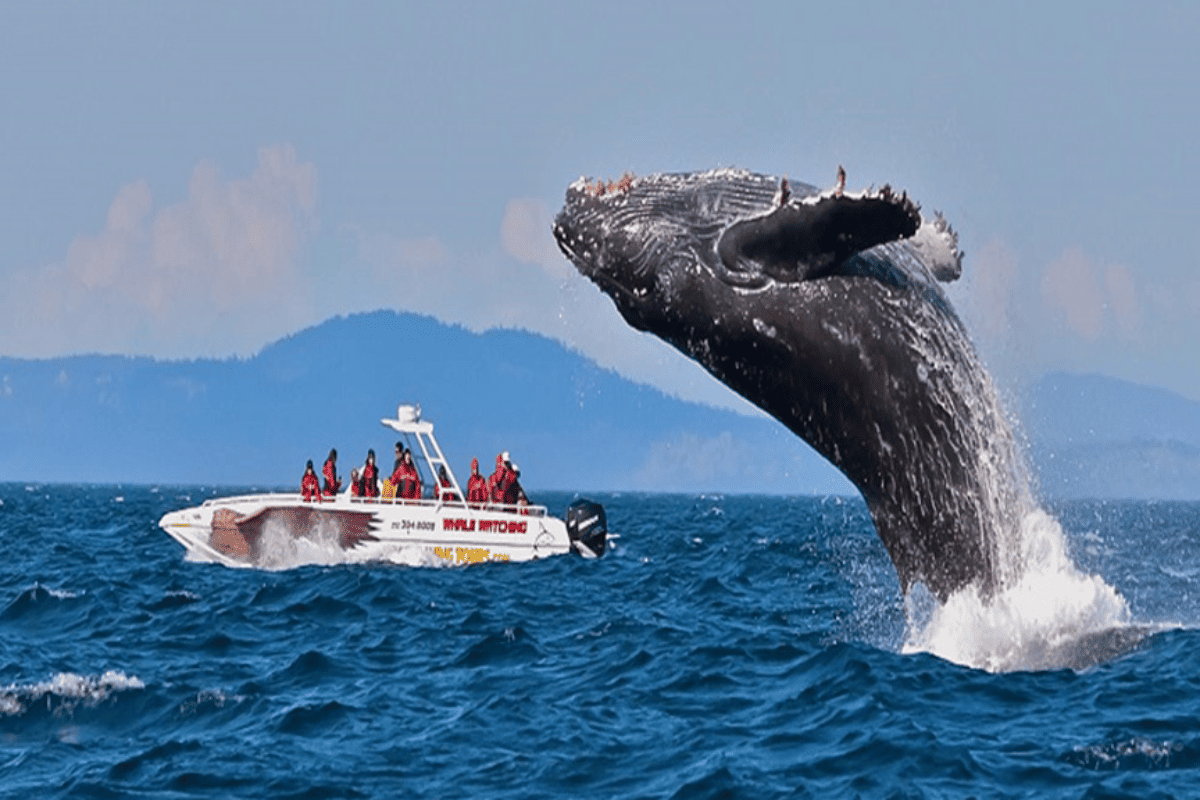
The high season or peak tourist season dominates from December to March (often extending into April), when the south and west coasts -home to popular spots like Colombo, Galle, Bentota, Mirissa, Unawatuna, and Hikkaduwa enjoy dry, sunny weather with temperatures of 25–32°C (77–90°F), calm seas, and minimal rainfall. This period aligns perfectly for beach relaxation, blue whale spotting (peak late February–March), Yala and Udawalawe National Park safaris for leopards and elephants, and exploring the Cultural Triangle (Sigiriya, Anuradhapura, Polonnaruwa).
Hill country areas like Kandy, Nuwara Eliya, and Ella offer comfortable cool days (20–28°C) for tea estate walks, hikes to Adam's Peak, and scenic train journeys. Crowds peak around Christmas/New Year and Sinhala/Tamil New Year (mid-April), driving hotel prices up 30–50% and requiring advance bookings. First-time visitors favor this window for reliable weather across major sites.
Shoulder Seasons: April and September–November
These transitional periods provide the best balance for island-wide exploration. April brings hot, humid conditions with occasional showers but celebrates vibrant festivals like the Sinhala and Tamil New Year with cultural events nationwide. September to November sees inter-monsoon weather with milder rains, lush greenery from recent monsoons, and fewer tourists. Prices drop, beaches empty slightly, and wildlife viewing improves as animals gather at water sources.
This is ideal for budget travelers or those seeking variety: combine south coast beaches with east coast previews or hill country escapes. And also you can plan affordable safe trips to Sri Lanka with our tour experts. Click to get travel advice and plan your trip.
East Coast Peak: May to September
While the southwest monsoon drenches the popular south/west, the east coast (Trincomalee, Pasikudah, Arugam Bay, Nilaveli) turns into prime territory. Dry, sunny days with gentle breezes make it excellent for surfing (world-class waves in Arugam Bay), snorkeling, diving, and whale watching. Temperatures hover 28–32°C with low humidity. Fewer crowds and lower costs attract adventure seekers and families avoiding peak-season bustle.
Low/Off-Season: May to August (South/West Focus)
The southwest monsoon brings frequent afternoon showers, high humidity, and occasional rough seas to the south and west, making it low season there. However, rain is often short and interspersed with sunshine, turning landscapes vibrantly green and perfect for photographers, nature lovers, or budget trips. East and north remain dry, so savvy travelers shift focus eastward.
Advantages include 40–60% discounts on accommodations, fewer crowds at sites like Sigiriya or Kandy, and authentic local experiences. Drawbacks: potential road disruptions or canceled boat trips.
Key Factors Influencing 2026 Travel
- Monsoons' Regional Impact: Always plan regionally and check forecasts for your itinerary.
- Events & Festivals: Thai Pongal (Jan), Independence Day (Feb), Vesak (May), Poson Poya (Jun), and New Year (Apr) add cultural richness.
- Post-Cyclone Recovery: Major tourist zones (south, west, hills) have fully rebounded by 2026, with enhanced infrastructure.
- Practical Tips: Book peak season early; pack rain gear for shoulders/off-season; use apps for transport.
Conclusion
Sri Lanka defies a single "best" season, its dual monsoons enable tailored trips any time in 2026. Opt for December–March peak for classic sunny beaches and culture, May–September for east coast adventures, or shoulder/low seasons for affordability and serenity. With booming arrivals targeting 3 million and full recovery from recent challenges, the island promises unforgettable experiences: golden sands, ancient ruins, wildlife encounters, and warm hospitality.
FAQs about When to visit Sri Lanka
December to March (or mid-April) is widely considered the best overall time, especially for first-timers. The south/west coasts and hills enjoy dry, sunny weather (25–32°C), perfect for beaches, safaris, whale watching, and cultural sites. Crowds and prices peak, so book ahead.
Peak season runs December–March/April, focusing on the south, west, and hill country. Expect high demand during holidays, sunny skies, calm seas, and ideal conditions for most activities—great for classic Sri Lanka experiences.
Absolutely—May–August offers lower prices, lush greenery, and fewer crowds in the south/west (despite occasional rain). The east coast shines with dry weather for surfing and beaches. Ideal for budget trips, nature lovers, or east-focused itineraries.
Sri Lanka's two monsoons create regional dry windows: southwest (May–Sep) rains south/west/hills; northeast (Oct–Feb) affects north/east. This enables year-round travel—choose the dry region. Shoulder seasons (April, Sep–Nov) provide balanced, value-packed options island-wide.